Surrounded by Thousands, Feeling Like the Only One in the Room
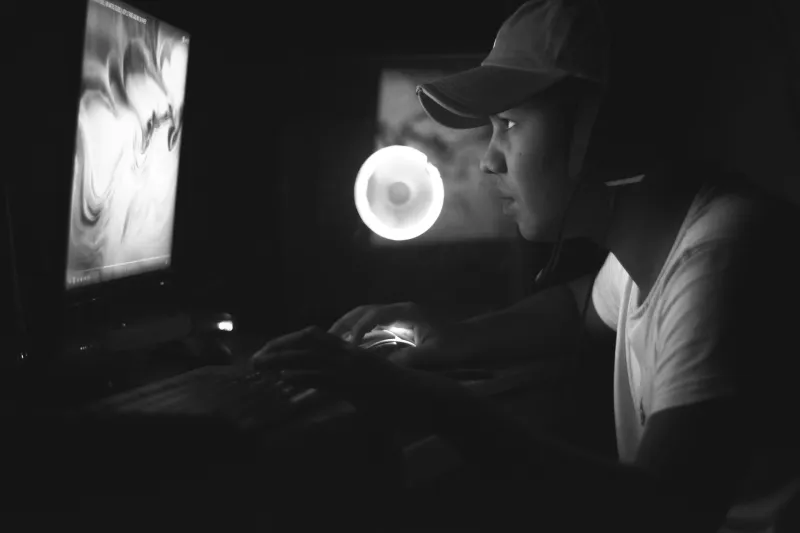
There's a specific kind of hollow feeling that hits sometimes right in the middle of a great stream. Chat is flying, the streamer just said something hilarious, donations are popping off — and yet, somewhere in your chest, there's this quiet ache. You're watching with tens of thousands of other people, and somehow you've never felt more alone.
Welcome to one of live streaming's strangest contradictions. Platforms are built around the promise of connection — real-time, unfiltered, human. But for a significant chunk of viewers, that promise lands somewhere between half-true and emotionally complicated.
The Warmth That Isn't Quite Real
Psychologists have a term for the one-sided emotional bond people form with media figures: parasocial relationships. It's not new — people had them with radio personalities, TV hosts, movie stars. But live streaming turbocharged the dynamic in ways nobody fully anticipated.
When a streamer looks into the camera and says your username out loud, something fires in your brain that feels an awful lot like recognition. Like being seen. And for a moment, you are. But then the stream moves on, chat scrolls past your comment at 400 messages per minute, and you're right back to being one anonymous viewer in a sea of thousands.
That whiplash — from feeling genuinely acknowledged to functionally invisible — is what a lot of viewers describe as the core of the loneliness problem. "It's like being at a huge party where you sort of know the host," said one viewer in a Reddit thread that racked up thousands of upvotes. "They wave at you when you walk in, and then you spend the rest of the night standing by the snack table by yourself."
Chat Is a Crowd, Not a Conversation
Here's the thing about live chat that nobody really talks about: it's not actually a conversation. It's a performance. You type something into a box, it disappears into a torrent of other messages within seconds, and the odds that anyone — the streamer or another viewer — meaningfully engages with what you said are pretty slim unless you're a top subscriber or a big donor.
For smaller streams, this dynamic is different. When a streamer has 80 viewers instead of 80,000, your comment actually lands. The streamer responds. Other viewers reply. Something resembling a real exchange happens. That's where a lot of people find actual community — not at the top of the viewership mountain, but somewhere much further down the slope.
But here's the paradox: most viewers gravitate toward bigger streams. The production value is higher, the energy is more electric, the content is more polished. And the bigger the stream gets, the more invisible each individual viewer becomes. You're essentially trading the chance at genuine connection for a better show.
The Platforms Know, and They're Trying
To be fair, platforms aren't completely blind to this. Twitch has been experimenting with community hubs and channel point systems that give viewers a slightly more active role in what happens on screen. YouTube Live has been pushing community posts and live Q&A features. Discord servers attached to streams have become a way for viewers to find each other outside of the chaos of live chat.
But most of these solutions address the symptom rather than the cause. A Discord server can absolutely become a real community — people have made lifelong friends through them. But it requires initiative that a lot of viewers, especially newer or more introverted ones, simply don't have the energy to take. You have to opt in, introduce yourself, find your footing in yet another social space. For someone who's already feeling a little isolated, that's a high bar.
What platforms haven't figured out yet is how to make genuine peer-to-peer connection feel as easy and frictionless as watching the stream itself. Right now, community is a side quest. It probably needs to be the main game.
The Viewers Who Figured It Out Anyway
Talk to enough people who've been watching live streams for years, and you'll find a pattern. The ones who feel most genuinely connected aren't necessarily watching the biggest streamers. They've found a smaller creator whose community is tight enough that regulars recognize each other. They show up consistently. They have inside jokes with other chatters. They're not just watching — they're participating in something ongoing.
"I stopped chasing the big streamers a couple years ago," one viewer told us. "I found this one streamer with maybe 200 regular viewers and I actually know people there now. Like, actual people whose names I know. We check in on each other. That's what I was looking for the whole time, I just didn't know it."
That's the real shift. The loneliness of live streaming isn't inevitable — it's often the result of being in the wrong-sized room. The promise of connection is real. It's just hiding in places that don't have the flashiest thumbnails.
What Actually Helps
If you've felt that hollow, crowded-room loneliness during a stream, you're not broken and you're not alone in feeling it. A few things actually seem to move the needle:
Find your size. A stream with 200 engaged viewers might give you more genuine community than one with 200,000. Smaller doesn't mean worse — it often means warmer.
Be a regular. Showing up consistently to the same stream builds familiarity. Streamers and other viewers start to recognize you. That recognition is the seed of real connection.
Use the offshoots. Discord servers, subreddits, even Twitter communities built around a streamer can be where the actual friendships form. The live stream is the front door; the community is the house.
Acknowledge what you're actually getting. Parasocial warmth isn't worthless — it's just not the same as friendship. Enjoying a streamer's company without expecting mutual friendship is a healthier frame. Let it be what it is, and find real community elsewhere in the ecosystem.
Live streaming is genuinely one of the most interesting social experiments happening right now. The potential for real human connection is built right into the format. But the gap between potential and reality is still wide, and it's worth being honest about that — both as viewers and as the platforms shaping how all of this works.
The crowd is real. The loneliness can be too. And figuring out how to close that gap might be the most important thing the streaming world hasn't solved yet.