The Scheduled Silence: Why the Smartest Streaming Communities Are Logging Off on Purpose
At first glance, it sounds like a bad business decision. A streamer tells their audience: don't watch this weekend. Stay offline. Go outside. We'll see you Monday.
And the audience — rather than feeling dismissed — comes back more loyal than ever.
This is the counterintuitive trend quietly spreading through streaming communities in 2025, and it's challenging some of the most deeply held assumptions about what viewer engagement is actually supposed to look like.
When "More" Stops Working
For years, the conventional wisdom in streaming was simple: more content equals more growth. Post every day. Go live on a schedule. Never leave your audience without something to watch. The fear of being forgotten was real, and a lot of creators built their entire strategy around staying constantly visible.
But something started breaking down. Viewers began reporting a kind of low-grade exhaustion — not from any single stream, but from the cumulative weight of feeling like they had to show up. Like missing a broadcast meant missing something important. Like the community would move on without them.
That's not fandom. That's anxiety wearing a subscription badge.
"I realized I was watching out of habit, not because I genuinely wanted to," said Tiana, a 24-year-old from Nashville who follows several mid-size gaming channels. "I'd open the stream and just... sit there. And then feel guilty for not being more into it. That's a weird feeling to have about something that's supposed to be fun."
She's not alone. And some streamers are noticing it too.
The Community Pause
What's emerging in response is something a few communities are calling the "scheduled pause" — a planned, communicated period where both the streamer and the audience agree to step back. No streams. No Discord activity requirements. No FOMO-inducing clips posted to social. Just a genuine, collective exhale.
The lengths vary. Some communities do a 48-hour weekend blackout once a month. Others build in a full week every quarter. A few have started doing what one streamer called "dark Sundays" — a standing weekly tradition where the whole community goes quiet and nobody is expected to produce or consume anything.
The results have surprised even the people running them.
"I was terrified the first time I told my community we were taking a week off," said Derek, who runs a variety stream with a few thousand regular viewers. "I thought people would drift away. Instead, when we came back, the energy in chat was insane. People were excited to be there. It felt like the first stream all over again."
Derek has since made the quarterly pause a permanent part of his community calendar. He announced the next one three weeks in advance, and his Discord lit up with people making plans — actual, real-world plans — for what they'd do with the time.
Parasocial Burnout Is Real, and Communities Are Starting to Name It
The concept of parasocial relationships — the one-sided emotional bonds viewers form with streamers — has gotten a lot of attention lately. But there's a dimension that gets less coverage: parasocial exhaustion.
This is what happens when a viewer invests so much emotional energy into a streaming community that the relationship starts to feel like an obligation rather than a joy. They feel guilty missing streams. They feel anxious when the streamer seems off. They start measuring their own days by what happened in someone else's broadcast.
Scheduled breaks, it turns out, are one of the most effective tools for interrupting that pattern before it becomes a problem.
"Telling my audience to go live their lives isn't me abandoning them," said Keisha, a lifestyle and wellness streamer based in Houston. "It's me modeling what I actually believe — that no stream, including mine, should be the center of anyone's world. When I come back and they come back, we're all choosing to be there. That choice matters."
Keisha introduced monthly offline weekends eight months ago. Her subscriber count dipped slightly in the first month and has grown steadily since. More notably, her community's Discord server — which was previously dominated by stream-related conversation — started filling up with posts about hikes people took, books they read, friends they hung out with during the break.
The community didn't shrink during the pauses. It expanded into real life.
What Intentional Absence Actually Builds
There's a concept in psychology around intermittent reinforcement — the idea that unpredictable rewards create stronger engagement than constant ones. Scheduled breaks operate on a related but healthier principle: absence with purpose creates genuine anticipation.
When viewers know a break is coming, and know it's a shared experience, the return feels like an event. The stream isn't just another night of content. It's a reunion. And reunions have a specific kind of energy that no algorithm can manufacture.
Beyond the emotional dynamics, scheduled pauses also give streamers something valuable: perspective. Time away from the live format makes it easier to see what's working, what's stale, and what the community actually needs next.
"I came back from our last break with three new ideas I never would have had if I'd just kept grinding," Derek said. "The break wasn't dead time. It was development time."
Trying It Without Losing Momentum
For streamers considering this approach, the key is communication. The pause only works when it's framed intentionally — not as a cancellation or a sign of struggle, but as a deliberate community practice with a clear return date.
Announce it early. Explain the why. Give your audience something to look forward to when the break ends — a special stream, a community event, a new segment. Make the return feel like something worth coming back for.
And for viewers? If your favorite streamer announces a scheduled break, maybe take it seriously. Not as an inconvenience, but as an invitation.
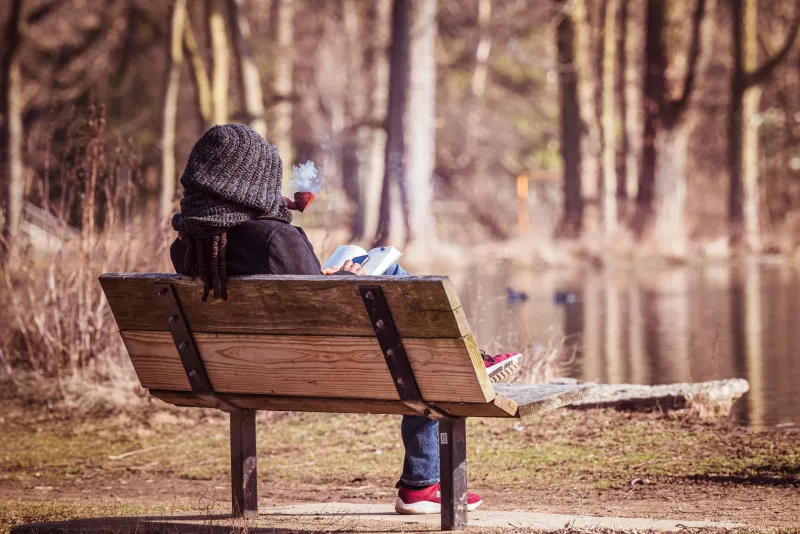
Log off. Touch some grass, as the internet likes to say. The stream will be there when you get back.
And weirdly, so will you — just a little more yourself than before.