Clock In or Get Clocked Out: The Hidden Timing Secrets That Separate Thriving Streamers From Forgotten Ones
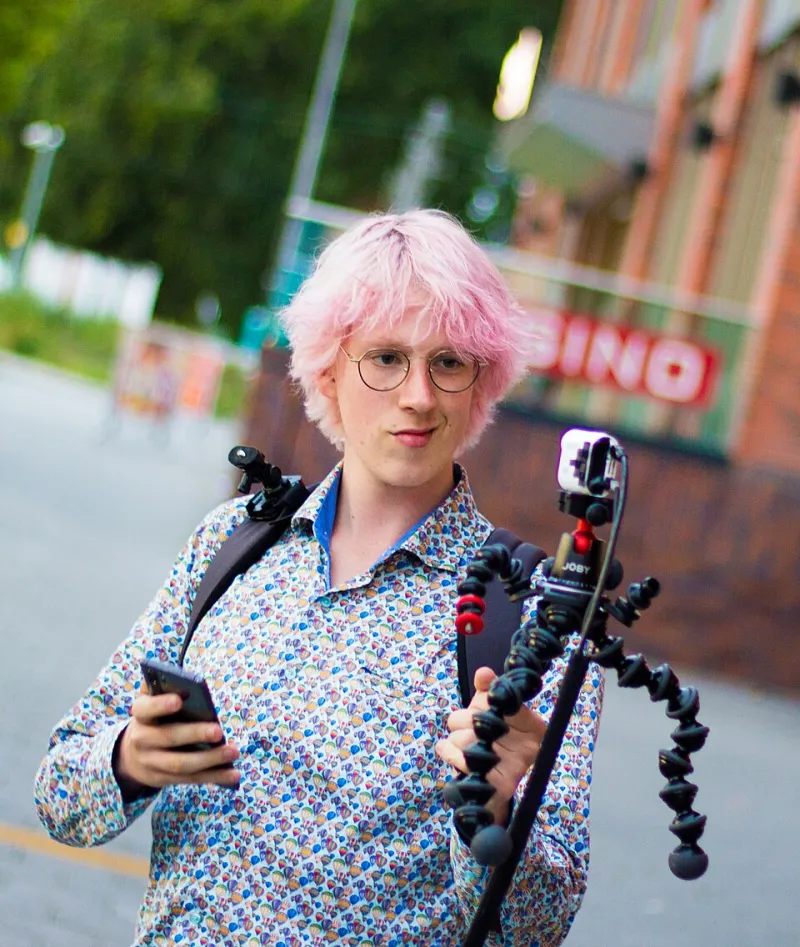
Photo: Jari Schottink, CC BY-SA 4.0, via Wikimedia Commons
You've probably noticed it before — you stumble onto a stream with 12,000 concurrent viewers, the chat is flying, donations are stacking up, and the whole thing feels electric. Then two days later, the same streamer goes live to a ghost town. Same content. Same energy. Completely different result.
So what changed? Nine times out of ten, the answer is timing.
Live streaming might feel spontaneous — and the best ones do have that raw, unplanned energy that keeps people coming back — but behind the curtain, the most successful creators are running something closer to a military operation when it comes to their schedules. We're talking spreadsheets, analytics dashboards, and a level of audience psychology that would make a marketing professor jealous.
Here's what we found when we pulled back that curtain.
The Algorithm Isn't Magic — It's a Clock
Platforms like Twitch, YouTube Live, and TikTok Live all have recommendation systems that reward consistency and engagement velocity. What that means in plain English: it's not just how many people watch you, it's how fast they show up once you go live.
If you go live at 2 PM on a Tuesday and 500 people flood in within the first 15 minutes, the algorithm reads that as a signal that your content is worth pushing to more users. If you go live at the same time on Saturday and those same 500 people trickle in over two hours, the algorithm shrugs.
This is why top streamers obsess over what the community calls "peak concurrency windows" — the specific time blocks when their core audience is most likely to be online, idle, and ready to commit to a stream.
Time Zones Are the Most Underrated Variable
Here's something that trips up a lot of newer creators: the United States alone spans six time zones. If you're based in Los Angeles and you go live at 9 PM Pacific, that's midnight on the East Coast. Half your potential domestic audience is either asleep or winding down.
The sweet spot that a lot of mid-to-large streamers have landed on is somewhere between 7 PM and 10 PM Eastern — a window that captures East Coasters in prime evening mode while still being reasonable (4–7 PM) for West Coast viewers wrapping up their day.
But that's just the domestic picture. Creators with international audiences have to think even more creatively. Some streamers actually run two shorter sessions — one in the early afternoon Eastern to catch European viewers in the late evening, and another in the traditional evening slot for US audiences. It's more work, but the reach multiplies fast.
What the Data Actually Shows
Platform-level data that's been shared publicly and studied by third-party analytics sites consistently points to a few standout windows for live content performance in the US market:
- Weekday evenings (7–11 PM ET) remain the most competitive but also the most rewarding slots for general entertainment content.
- Saturday afternoons (1–5 PM ET) punch above their weight for gaming and sports-adjacent streams, especially when major events aren't happening.
- Sunday mornings have quietly become a growing window for lifestyle, cooking, and casual "hang" streams — viewers are relaxed, unhurried, and weirdly engaged.
The worst time to go live, almost universally? Monday mornings and Friday afternoons. People are either mentally checking back into the workweek or checking out of it entirely.
Consistency Beats Perfection Every Time
Talk to any streamer who's built a real audience — not a viral moment, but a sustained following — and they'll tell you the same thing: showing up on a schedule matters more than showing up at the objectively "optimal" time.
Viewers are creatures of habit. They'll work their routine around your stream if they know it's predictable. Miss a few scheduled slots without warning, though, and that habit breaks. Fast.
One approach that's gained traction is treating your stream like a TV show. Same days, same start time, a title card or countdown that gives the audience something to rally around. The platforms even support this — Twitch's Schedule feature and YouTube's premiere countdowns exist precisely because both platforms know that anticipation drives viewership.
The Pre-Stream Hype Window
Here's a tactic that separates the good from the great: the 30-to-60 minute pre-stream announcement. Successful streamers don't just go live — they announce they're about to go live, give their community time to rearrange their evening, and then drop into the stream with momentum already building.
This is where platforms like Twitter/X, Discord, and Instagram Stories become essential parts of the streaming toolkit. It's not about having a massive social following — it's about activating the audience you already have, right before the algorithm starts watching.
For Viewers: How to Never Miss a Drop
All of this timing science isn't just useful for creators — it's useful for you as a viewer who's tired of catching streams on replay and missing the moments that make live content worth watching in the first place.
A few moves that actually work:
Turn on notifications selectively. Don't follow 40 streamers and enable alerts for all of them — you'll tune it out within a week. Pick your top five and actually let those notifications land.
Check streamer schedules on their profile pages. Most active creators post their weekly schedule. Treat it like a TV guide.
Use platform calendars. Twitch's schedule feature and YouTube's upcoming premieres section are criminally underused by viewers. Bookmark them.
Join the Discord. Seriously. Most active streaming communities have a Discord server where the streamer announces schedule changes, surprise streams, and special events before anywhere else.
The Bigger Picture
There's something almost poetic about the fact that live streaming — a format built on spontaneity and real-time energy — is also one of the most strategically timed forms of content creation out there. The best streams feel like they just happened, but the conditions that made them possible were engineered carefully.
For creators, the takeaway is simple: treat your schedule like a product. For viewers, knowing how that product works means you get more of the live moments that actually feel worth clearing your night for.
And at the end of the day, that's what this is all about — being there when it matters, in real time, for the moments that don't exist anywhere else.