Blow Up or Build Up: The Brutal Choice Every Streamer Faces Sooner or Later
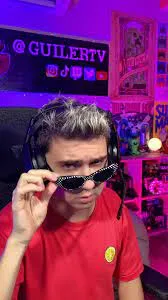
Photo: guilertv, CC BY-SA 4.0, via Wikimedia Commons
There's a moment most streamers recognize the second it happens. The clip goes off. The numbers spike. New followers pour in by the thousands. For about 48 hours, it feels like everything is finally clicking. Then the dust settles, the algorithm moves on, and the streamer is left staring at a chat full of strangers who showed up for a moment — not for them.
That's the viral trap, and in 2025, it's more seductive and more dangerous than ever.
The Algorithm Doesn't Care About Your Community
Here's the uncomfortable math: platforms like Twitch, YouTube Live, and TikTok Live are built to reward content that travels fast, not content that builds deep. A shocking reaction clip, a rage-bait title, a manufactured drama moment — these things get pushed. A streamer who's spent three years cultivating a tight-knit community of a few thousand loyal viewers? The algorithm barely notices.
So streamers face a genuine dilemma. Do you play the game that the platform rewards, or do you protect the thing that actually makes your stream worth watching?
The honest answer is that most people, when faced with the promise of explosive growth, choose the numbers. And a lot of them end up regretting it.
What Happens When You Chase the Spike
Consider what's become a pretty common arc in the streaming world. A mid-size streamer — let's say someone sitting comfortably at 8,000 to 12,000 regular viewers — gets advice from a growth consultant or just starts noticing what's popping on the trending tab. They shift their content. More reaction content. More hot-take energy. Maybe they wade into some controversy adjacent territory. The clips start moving.
Three months later, they've got 60,000 followers. But their average viewership has barely budged, their chat is chaotic and hard to moderate, and the people who used to be regulars — the ones who had inside jokes with the streamer, who showed up every Tuesday night like it was a standing plans — have quietly drifted away.
This isn't a hypothetical. Variations of this story play out constantly in streaming communities across every platform. The audience that viral content attracts is largely transient. They came for the moment, not the person. And when you've spent months optimizing for those people, you've slowly retrained yourself to perform for an audience that was never going to stay.
The Streamers Who Flipped the Script
What's interesting is that some of the most sustainable success stories in live streaming right now come from people who made the deliberate choice to stop chasing growth and double down on depth.
There's a real pattern emerging among streamers who've been at this for five-plus years. The ones who are still standing — still streaming, still paying their bills, still genuinely enjoying it — tend to be the ones who treat their community like a neighborhood, not an audience. They know their regulars by username. They remember conversations from six months ago. They've built Discord servers that stay active even on days they're not live.
That kind of loyalty doesn't generate viral clips. But it generates something more valuable in the long run: a group of people who will actually show up, subscribe, and tell their friends — not because of an algorithm push, but because they feel genuinely connected to what's happening in that stream.
The Pressure Is Real, and It Comes From Everywhere
It would be easy to say "just focus on community" and leave it there. But that advice ignores the very real financial pressure that comes with full-time streaming. Sponsorship deals often hinge on follower counts and clip performance. Platform programs have minimum thresholds. If your numbers aren't moving, brands stop calling.
So even streamers who want to prioritize community often feel like they can't afford to ignore the growth game entirely. The platform architecture essentially punishes you for playing the long game.
This is where the most thoughtful streamers are getting creative. Instead of treating viral content and community as opposites, they're learning to use one to feed the other — strategically. A well-timed clip that captures something genuinely authentic from the stream can bring in new viewers who then actually stick around because what they saw reflected real personality, not performance. The key is that the clip has to be a window into the real thing, not a replacement for it.
What Sustainable Actually Looks Like in 2025
The definition of "making it" in streaming has quietly shifted. Five years ago, the dream was hitting a follower milestone or landing a major sponsorship. In 2025, a growing number of streamers are redefining success around sustainability — consistent income, manageable workload, and a community that feels worth showing up for.
That shift matters because it changes the decisions you make every single day. If your goal is a viral moment, you optimize for the spike. If your goal is to still be streaming three years from now with people you actually like hanging out with, you optimize for trust.
The streamers who seem happiest right now — not necessarily the biggest, but the most stable and creatively fulfilled — are the ones who've made peace with slower growth. They're not ignoring the algorithm entirely, but they're not letting it run their show either.
You Can't Fully Have Both — But You Can Choose Which One Leads
Let's be real: the headline of this article is a slight provocation. You can go viral and still have a community. But you can't chase virality as your primary strategy and expect to build something with real roots. The two approaches require fundamentally different mindsets, different content decisions, and different relationships with your audience.
The streamers who've figured this out aren't anti-growth. They're just clear on what growth is for. They want more people in the room, sure — but only if those people are going to add something to the experience rather than just inflate a number.
At the end of the day, live streaming is one of the few entertainment formats left where the audience and the creator are in the same space at the same time, reacting to the same moment together. That's genuinely rare. That's what makes it different from every other platform.
Waste that on chasing clips, and you've kind of missed the whole point.